



Subway Tiles vs Mosaic Splashback
Choosing between subway tiles and a mosaic splashback is one of the most common kitchen decisions - both look great, but they perform differently depending on your kitchen size, cooking style, and the “feel” you want. This guide compares subway tiles vs mosaic splashback across cleaning, cost, design impact, and where each option works best.
Quick links:
- Kitchen splashback ideas (compare more layouts and styles)
- Browse mosaic tiles (feature strips + full mosaic options)
- Browse tiles (great for subway styles and larger formats)
- Estimate quantities with our free tile calculator

Browse our kitchen splashback categories


Subway tiles vs mosaic splashback: the quick answer
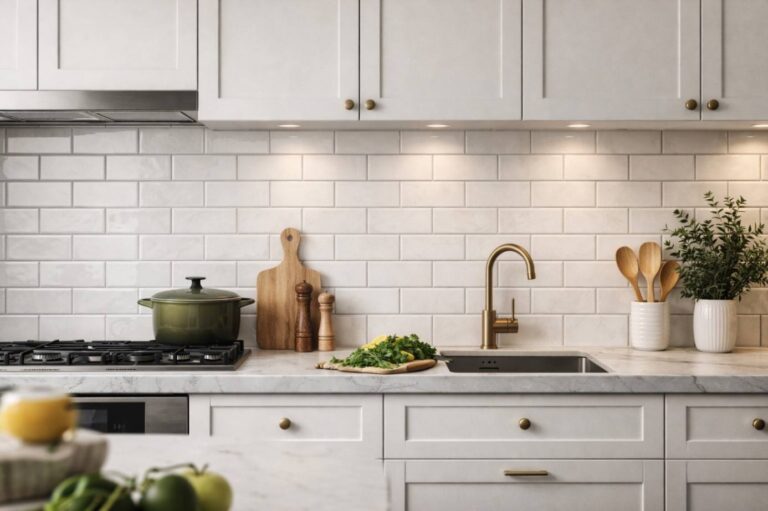
If you want a timeless look and easier cleaning, choose subway tiles
Subway tiles are the safe choice for most kitchens: classic, easy to style, and generally faster to wipe down because there are fewer grout lines than mosaics. They’re also flexible, you can go bright white, soft neutrals, or coloured subway tiles depending on your cabinetry and benchtop.
If you want maximum design impact and texture. choose a mosaic splashback (or a feature strip)
A mosaic splashback brings texture, movement, and a “designer” finish, especially behind the cooktop or in a focused feature zone. Many homeowners choose a calm base tile and add a mosaic strip for a premium look without committing to a full mosaic wall. For a deeper breakdown, see our guide to kitchen splashbacks with mosaic tiles.
Side-by-side comparison
1) Cleaning and maintenance
Subway tiles
- Generally easier to wipe down (fewer grout lines)
- Great behind cooktops when you choose a practical grout colour
- Simple layouts make future repairs or replacements easier
Mosaic splashback
- More grout lines = more “surface detail” to clean, especially behind cooktops
- Choosing grout colour matters more (very light grout can show cooking marks)
- Best when used in zones where the design impact is worth the extra grout care
2) Design impact and style
Subway tiles
Subway layouts feel clean and timeless. The look changes dramatically with layout and grout: matching grout looks soft and seamless; contrasting grout highlights the pattern.
Mosaic splashback
Mosaics are perfect when you want texture or shine (stone-look, glass, metallic tones, mixed materials). They can make a simple kitchen feel more custom, especially as a feature wall or band. Browse options in our mosaic tile category.
3) Cost (what typically changes the price)
Pricing depends on the tile itself and installation complexity. In many kitchens:
- Subway tiles can be more cost-effective to install due to larger pieces and faster laying (varies by layout and cuts).
- Mosaics can take longer to install and grout due to smaller pieces and more detail (especially with lots of corners, powerpoints, or niche areas).
Tip: measure your splashback area and estimate quantities using our tile calculator. If you’re using mosaics or patterns, add extra waste for cuts and alignment.
4) Best use cases (where each option works best)
Best places for subway tiles
- Long, straight splashback runs where you want a clean, consistent look
- Busy family kitchens that need easy wipe-downs
- Kitchens where you want the benchtop (not the splashback) to be the hero
Best places for mosaic tiles
- Behind the cooktop as a feature zone (especially if the rest of the kitchen is simple)
- As a feature strip through a calm base tile splashback
- Smaller kitchens where texture adds interest without overwhelming the space
5) The best “middle option”: subway tiles + mosaic feature strip
If you’re torn, this is the most popular compromise: use subway tiles (or a calm large wall tile) as the main splashback, then add a mosaic strip for detail. It gives you a premium look while keeping cleaning simple.
Start with tiles for the base, then choose a strip from the mosaic category.

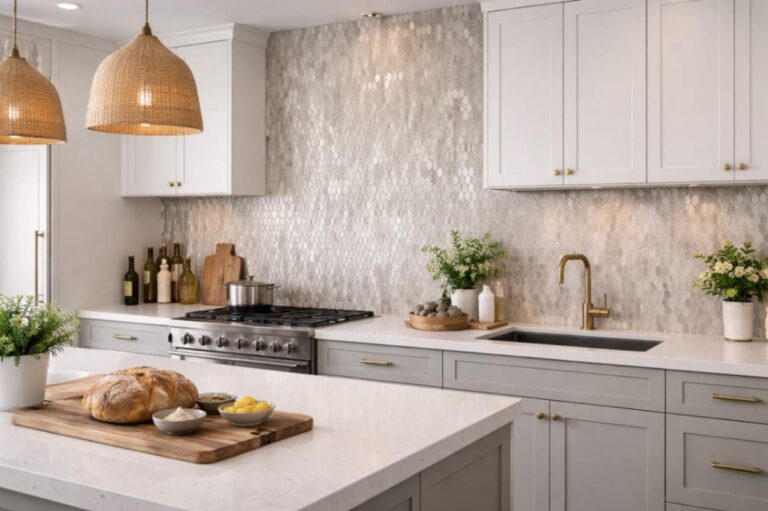
Want a quick recommendation for your kitchen?
Send a photo of your kitchen + benchtop colour and we’ll recommend a shortlist of subway tiles, mosaics (or a feature-strip combo). Contact Go Tiles QLD.
How to decide in 60 seconds
Choose subway tiles if you want:
- A timeless look that suits most kitchens
- Easier cleaning and fewer grout lines
- A simple pattern you can style with taps, handles, and lighting
Choose a mosaic splashback if you want:
- Texture, shine, and a strong feature statement
- A “designer” splashback zone behind the cooktop
- A feature strip to elevate a simple base tile
Want more options beyond these two?
See our full kitchen splashback ideas guide for large-format tiles, full-height splashbacks, and modern layout inspiration.
Installation and safety considerations
Splashback tiles sit in areas exposed to heat and moisture. For general guidance and safety considerations around building work and kitchen compliance, refer to the Australian Building Codes Board.
Ready to browse? Start with tiles, explore mosaics, or contact us for a quick shortlist.
How Can We Help You?
Common questions about kitchen splashbacks
Are subway tiles still in style for splashbacks?
Yes, subway tiles stay popular because they work with modern, classic, coastal and Hamptons kitchens. The fastest way to make them feel current is with the right grout colour, tile finish, and a clean layout.
Are mosaic splashbacks hard to clean?
They’re not “hard”, but they do have more grout lines. If you cook often, choose a grout colour that suits your kitchen and wipe down regularly, especially behind the cooktop. For more detail, see our mosaic splashback guide.
Which option is better for small kitchens?
Both can work. Subway tiles can keep a small kitchen feeling open and bright. Mosaics add texture and interest without needing a large area, especially as a feature strip or a cooktop feature zone.